Premium Tarps & Tarpaulin Manufacturer

+86 15601786499 (steven)

info@der-factory.com

中

Update time:2026/11/19 15:49:44 Views:0

A practical guide for tarp buyers

Are Tarps Really Waterproof?

Some are. The real answer depends on the material, how the panels are joined, and what happens at hems, fixing points and exposed edges.

Learn to distinguish waterproof tarps from water-resistant covers, locate leaks and specify the evidence needed before sourcing a custom cover.

  • Clear answer first
  • Material + seam decisions
  • Supplier test checklist
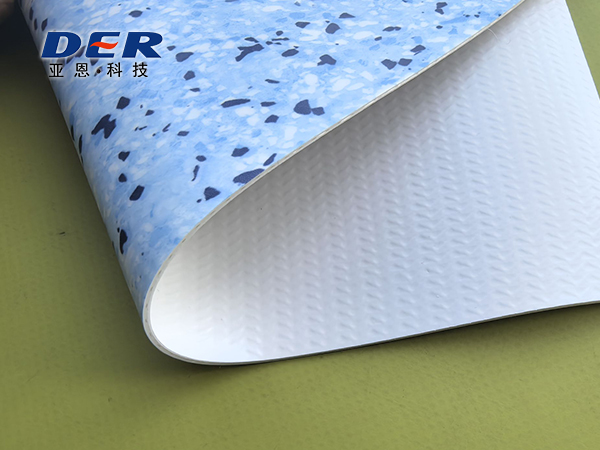
Blue PVC-coated polyester tarpaulin fabric showing a continuous coated surface
DER factory PVC-coated polyester fabric. The coating provides the water barrier; finished seams and attachments also require verification.
The short answer

Yes—but not every tarp is waterproof.

“Tarp” describes a cover, not one material or a guaranteed performance rating.

Intact PVC-coated polyester and suitable laminated polyethylene tarps can block liquid rainwater. Untreated canvas normally does not; treated canvas is often water-resistant, while open mesh is deliberately permeable.

A finished tarp is only as weatherproof as its weakest detail. Stitched seams, damaged coating, grommet holes, low spots that hold water and open edges can admit moisture even when the fabric body is waterproof. For industrial buying, specify the material, fabricated joints and intended installation together.

Useful distinction: “Waterproof fabric” refers to the sheet. “Watertight finished cover” adds sealed joints, reinforced and protected penetrations, a suitable shape and a way for rain to drain away.

01 / Material comparison

Which tarp materials are actually waterproof?

Material type explains much of the difference, but the particular grade and finished assembly still determine performance. Compare these four common choices before specifying a waterproof tarp for procurement.

MaterialWater protectionMain advantageWatch before ordering
PVC / vinyl-coated polyesterWaterproof across an intact, correctly specified coatingWeldable construction and durable repeat-use cover optionsWeight, coating adhesion, welded seams, UV exposure, reinforcement
Polyethylene (PE) laminated tarpTypically waterproof across the intact laminateLightweight, convenient temporary coverageGrade differences, tearing at eyelets, UV aging, seam and edge details
Canvas, untreated or treatedUntreated: not waterproof; treatment: variable rain resistanceBreathability and lower condensation risk in some applicationsLong rain exposure, treatment maintenance and wetting through
Open mesh tarpNot waterproof; allows water and air throughShade, ventilation and reduced wind resistanceDo not select when a watertight barrier is required

General selection guidance, not a product-specific test certificate. A coated canvas or specialized textile may perform differently; request evidence for the actual construction.

Embossed blue heavy-duty PVC tarpaulin surface and folded edge
Coated waterproof barrierReinforcement and PVC coating must be evaluated together.
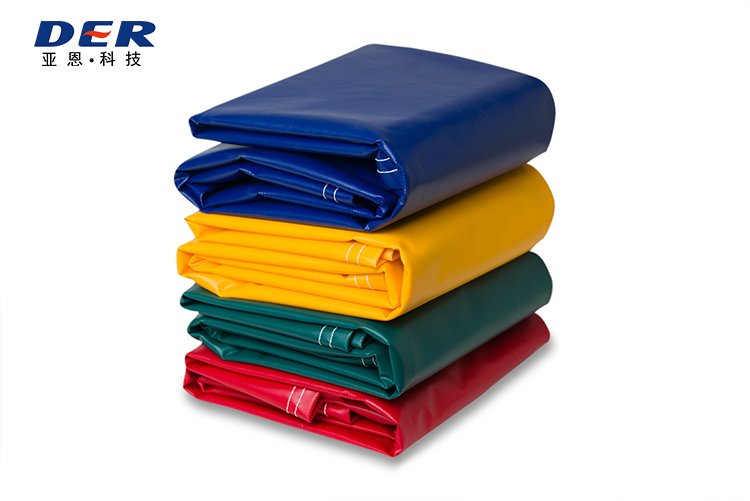
Stack of finished vinyl-coated tarps in blue, yellow, green and red
Finished tarpsColors and finished sizes can be discussed after material selection.
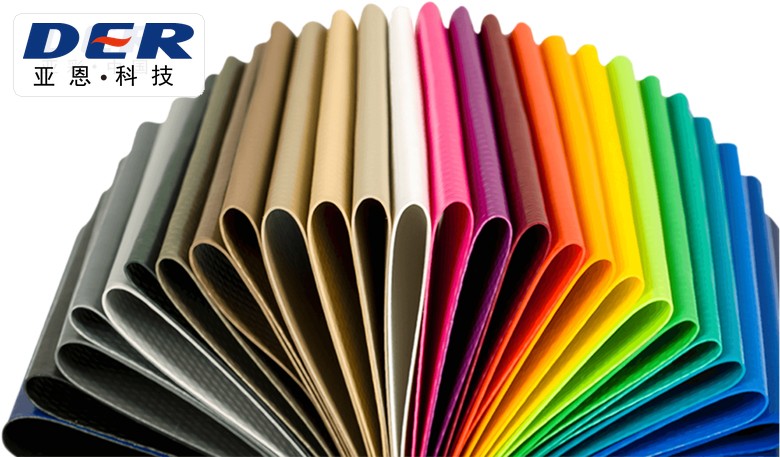
Color assortment of folded PVC-coated fabric samples
Fabric samplesApprove coating, weight, hand feel and processing before bulk supply.

For heavy-duty repeat use, compare vinyl tarps with polyethylene tarps; one material is not universally right for every cover.

02 / What waterproof means

Four places where water protection is won—or lost

A tarp can use waterproof sheet material and still fail during a storm. Evaluate the complete cover as a system, including the expected water pressure, movement and exposure.

01 / BARRIER

Coating or laminate

A continuous polyvinyl chloride (PVC) coating or polyethylene laminate keeps liquid water from passing through intact sheet material. Ask for the relevant water-penetration result on the proposed grade, not a generic claim for all PVC or PE fabric.

02 / JOINT

Welded or sealed seams

Heat welding can create a continuous join in compatible coated materials when overlap and machine settings are validated. A sewn seam makes needle holes unless a suitable sealing detail is added. Inspect joins after folding and loading.

03 / PENETRATION

Hems, grommets and corners

Fasteners and corner loads concentrate stress. Reinforced hems, webbing, local patches and carefully located eyelets help reduce tearing; the attachment design must also prevent direct water entry when that location must stay dry.

04 / INSTALLATION

Slope and runoff

A flat tarp can sag into a reservoir. Ponding adds weight and exposes weak seams for longer periods. Design runoff, secure edges and protect sharp contact points. A tarp cover should not be represented as engineered permanent roofing.

Finished black truck tarpaulin cover fastened around a large trailer load
Transport applicationWeather protection relies on fastening and edge detailing as well as the fabric.

Why transport and stationary covers need different specifications

Truck tarps face flutter, tension changes and repeated loading. A static equipment cover may face longer UV exposure and water pooling. Even when both require waterproofing, the best reinforcement and hardware layout can differ.

Review the finished-cover logic on DER factory's truck tarps page and specify the actual duty cycle.

03 / Troubleshooting

Why is there water under a supposedly waterproof tarp?

The moisture pattern often points to the cause. Diagnose first: wet fabric, underside condensation, water running in at an open edge and a leaking seam require different solutions.

What you observeLikely causeWhat to check first
Fine droplets across the underside, especially after a cool nightCondensation from humid air trapped beneath the coverLook for droplets away from seams; improve ventilation or separation where practical
Wet line exactly below a panel joinOpen stitches, damaged tape, incomplete weld or a fatigued jointInspect overlap, sealing method and flexed zones; test a representative seam
Wet patches near eyelets or cornersTears, punctures, overloaded hardware or water tracking around penetrationsReview reinforcement, fastening stress and any holes in the cover
Water appears near one side onlyWind-driven rain, an exposed edge or insufficient overlapInspect orientation, edge closure and cover fit during rain or spray
Water collects in a sagging centerInsufficient support or drainage, creating pooling and concentrated loadRestore a safe slope and supports; check for stretched or damaged seams
Water passes through an abraded or discolored patchCoating loss, crease wear, UV aging or punctureCompare the damaged area with an undamaged sample and assess repair suitability

Important: Condensation does not prove the coating has leaked. A fully waterproof, non-breathable cover can trap humid air. When stored goods need airflow, select the covering arrangement accordingly, rather than assuming a tighter wrap will always keep them drier.

04 / Evidence before bulk buying

How do you test whether a tarp is waterproof?

Use a three-level evaluation: material, fabricated seam and finished cover. A single demonstration with water poured on a sample is a useful visual check, but not a complete performance specification.

1

Material water resistance

Agree a suitable water-penetration or hydrostatic-head test, specimen preparation and target performance for the actual coated or laminated fabric.

Ask for: method, units, test side, sample condition, measured results and test date.

2

Fabricated seam evaluation

Produce a representative seam using the intended machine, overlap, coating face and fabrication parameters. Inspect leaks and joint integrity after cooling and handling.

Ask for: seam drawing, process trial, inspection method and acceptance rule.

3

Installed-cover verification

Check fit, fixing points, runoff and rain or spray exposure under an agreed realistic scenario. Record any entry path at joints, edges and penetrations.

Ask for: installation sketch, inspection photos and corrective actions.

What does a hydrostatic-head result tell you?

Hydrostatic head describes how much water pressure a material resists before liquid passes through under a specified test. It is useful for comparing specified fabrics, but the result is not a certificate that a stitched, folded or badly installed tarp will remain leak-free.

Specify the chosen test method, conditioning and target with the supplier; do not treat different methods or sample states as directly comparable. The PVC-coated polyester fabric construction should be evaluated with its intended sealing process.

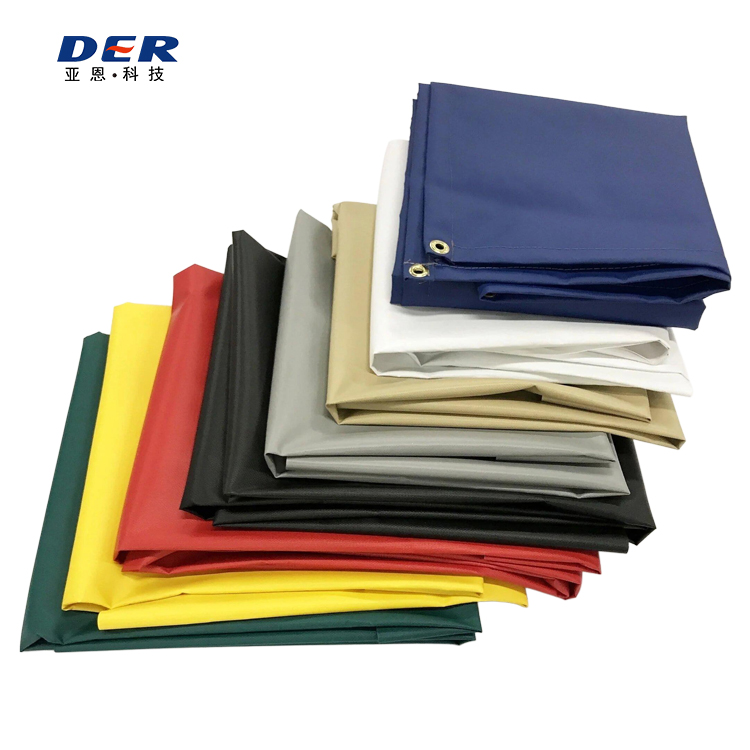
Stack of DER factory custom-size tarp cover samples with visible corner eyelets
Samples for evaluationA production reference should include fabric and finished corner details where relevant.

Procurement tip: Approve an identified master sample and written acceptance criteria before a repeat order. A test report for one grade or construction must not automatically be applied to a different coating or finished seam.

Discuss a Sample Program
05 / Select for the application

Which tarp should you choose for your use case?

Start with the job, not simply the words “heavy duty.” These are selection directions to review with a manufacturer—not universal fixed GSM recommendations.

Use caseMaterial directionDecisions that matter most
Short-term outdoor protection or temporary ground coverAppropriately graded PE laminate or PVC-coated fabricHandling weight, puncture exposure, edge security and expected duration
Reusable truck or trailer coverPVC-coated polyester as a common fabrication optionTensile and tear behavior, seams, abrasion, hardware load and wind
Longer-term equipment or warehouse exterior coverUV-specified coated fabric with suitable reinforcementWater runoff, UV exposure, folding frequency, protection at hard corners
Tents, shelters and temporary enclosuresCoated, weldable textile selected for the structureJoints, tension, fire-performance requirements where applicable and weather exposure
Ventilated firewood or moisture-sensitive storageBreathable canvas or waterproof top cover with ventilated sidesCondensation, airflow, runoff and tolerance for water exposure
Containment, tanks or liquid-retaining linersPurpose-specified barrier fabric—not ordinary roof-cover fabric by assumptionLiquid compatibility, static pressure, seam integrity and leak tests

Temporary enclosures have separate PVC tent fabric requirements. Liquid retention is a different specification category; compare dedicated liquid bag tarpaulin designs instead of repurposing a general outdoor cover.

06 / Specification and inquiry

What should be written on a waterproof tarp specification?

A usable RFQ translates “waterproof” into construction, processing and inspection requirements. DER factory can review custom options after receiving the intended duty and a reference drawing or sample.

FieldInformation to state or requestWhy it changes the outcome
Use and exposureTransport / storage / tent / temporary; rainfall, wind, sunlight, temperature and service durationDetermines material and weathering priorities
Material systemPVC-coated polyester, PE laminate or other approved construction; coated side and surface finishDefines water barrier, processing and maintenance
GSM / thicknessTarget fabric weight (g/m²), physical thickness or PE mil as applicable; measurement toleranceWeight and thickness are different measures; neither alone proves waterproofing
Water barrier testAgreed test method, target, result units, conditioning and sample stateTurns an adjective into an acceptance criterion
Width and finished sizeUsable roll width, panel layout, finished length/width and permitted seamsControls seam locations, material yield and water paths
Joining and reinforcementWeld or other approved seam; overlap, hems, webbing, corner patches and hardware layoutProtects high-stress and penetration points
Functional optionsUV and low-temperature requirements; flame performance only where needed and with a specified standardPerformance is grade-specific and must be evaluated by test
Supply and inspectionRoll goods or finished tarps, color, printing, quantity, packing, destination, reference sample and inspection planMakes samples, quotes and repeat orders comparable

Describe the exposure

Where will the cover sit, for how long, and under what weather and handling conditions?

Send dimensions

Include a drawing, usable width, finished size and whether you need rolls or fabricated tarps.

Define pass / fail

Agree material water test, seam acceptance and relevant outdoor performance evidence.

Approve the sample

Record the material reference, construction and processing before volume production.

If you are purchasing material for your own cutting or welding line, see DER factory's PVC-coated fabric manufacturing overview for roll-supply and conversion variables.

07 / Avoidable errors

Five waterproof tarp buying mistakes

Most costly mismatches begin before fabrication, when a performance requirement remains too vague to test.

Misreading GSM and mil

  • GSM measures mass per area, not water penetration.
  • Mil measures thickness, commonly used for PE tarps.
  • Compare complete constructions and test results, not just a bigger number.

Assuming a waterproof roll makes a waterproof finished tarp

  • Inspect the proposed weld or stitch treatment.
  • Evaluate grommets, corners, folded edges and closures.
  • Require a representative finished-panel sample when leakage matters.

Buying the heaviest fabric by default

  • Extra weight can make frequent handling harder.
  • Identify the dominant failure: tear, abrasion, UV, puncture or water entry.
  • Choose reinforcement and coating around that actual risk.

Ignoring the installed shape

  • Flat surfaces can pool water and overload seams.
  • Open sides invite wind-driven rain even if the top is waterproof.
  • Specify slope, support and fixing locations before fabrication.

Confusing a dry sheet with dry contents

  • Condensation can occur under non-breathable covers.
  • Provide ventilation or an air gap where moisture management requires it.
  • Do not classify every damp patch as a manufacturing leak.
Questions buyers ask

Frequently asked questions about waterproof tarps

Straight answers to the practical questions behind a rainproof cover purchase.

Are tarps really waterproof?

Some are. Intact PVC-coated polyester and suitable laminated polyethylene tarps can block liquid rainwater. Untreated canvas and open mesh are not waterproof. The finished cover may still leak through seams, holes, edges or poor installation.

Are poly tarps waterproof?

Many laminated polyethylene tarps are waterproof across the intact sheet. Their finished protection depends on seams, punctures, edges, UV exposure and how they are installed. Grade and intended service life still matter.

Are vinyl and PVC tarps waterproof?

PVC-coated polyester tarps are commonly designed as waterproof barriers. For reliable finished-cover performance, specify coated-fabric testing as well as suitable welded or sealed seams, reinforced fixing points and drainage.

Are canvas tarps waterproof in heavy rain?

Untreated canvas is generally not waterproof. Treated canvas may repel moderate rain, but performance varies with treatment condition and exposure. If a continuous water barrier is required, choose a suitably tested coated or laminated construction.

Why does water collect under a waterproof tarp?

Possible causes include condensation on the underside, rain entering from an open edge, stitch holes, incomplete welds, worn coating, grommet damage or pooling that pushes water toward weak details. Locate the wet area before selecting a repair.

Does a thicker tarp always mean better waterproofing?

No. GSM is fabric weight and mil is thickness; neither alone proves water penetration resistance. The coating or laminate, seam quality, puncture resistance and installation must also be evaluated.

How can a buyer test whether a tarp is waterproof?

Use three levels of evidence: an agreed water-penetration test on the material, a leak or seam check on a representative fabricated panel, and a practical rain or spray inspection of the installed cover. State the test method and acceptance criteria in advance.

Can DER factory supply custom waterproof tarps?

DER factory can review custom roll goods or finished-tarp requests for material, weight or thickness, dimensions, hems, welded seams, reinforcement, grommets, color, printing and packaging. Final options, testing, minimum quantities and lead times are confirmed during quotation.

From question to specification

Need a waterproof tarp you can specify—and verify?

Tell DER factory what you need to keep dry, how the cover will be supported, and whether the deliverable is coated fabric in rolls or finished tarps. A clear brief makes material, seam and test options easier to evaluate.

DER factory | Manufacturer and supplier of coated fabrics and tarpaulin products. Material and fabrication specifications are project dependent; confirm tests and available options before ordering.

Contact Us (You are welcome to consult at any time!)

Zhangbaling Plastic Polymer Industrial Park, Zhangbaling Town, Mingguang City, Chuzhou, Anhui Provin

info@der-factory.com

+86 15601786499 (steven)

Product recommendation

#
truck tarps
  • 2026-10-26
#
#
#
vinyl tarps
  • 2026-09-13
#
Waterproof Tarps
  • 2026-08-27
#
#
#
#
Vinyl Coated Tarps
  • 2026-05-24
#

Application Fields Of Our Products

Our products are widely used in our residential and industrial area, which can be used for producing tents, outdoor covering, flexible ventilation tube, water bladders, inflatable castles, architecture membrane structures, etc. Our main products: PVC coated fabrics, PU/TPU coated fabrics, Oxford fabric, PVC ceiling film, flexible banner material. Welcome to our site and order online.