Premium Tarps & Tarpaulin Manufacturer

+86 15601786499 (steven)

info@der-factory.com

中

Update time:2026/11/9 15:01:06 Views:0

PVC Duct Fabric | Ventilation Duct Material & OEM Rolls | DER factory

PVC coated technical textile · Factory supply

PVC Duct Fabric for Flexible Ventilation Systems

Source ventilation duct fabric as PVC-coated polyester roll material for mine and tunnel ventilation, industrial air movement and custom duct manufacturing.

  • Specify polyester reinforcement and PVC coating as one system.
  • Match fabric and finished seams to pressure direction and handling.
  • Discuss project-specific FR and anti-static options with test requirements.
  • Request custom rolls, cut panels or conversion review.
PVC coated polyesterWeldable gradesOEM rollsFR / static options
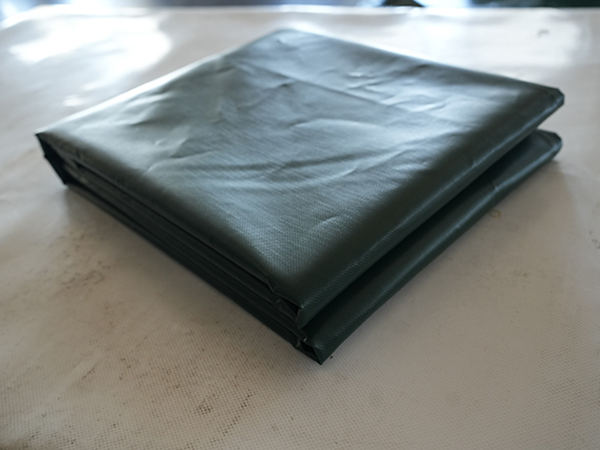
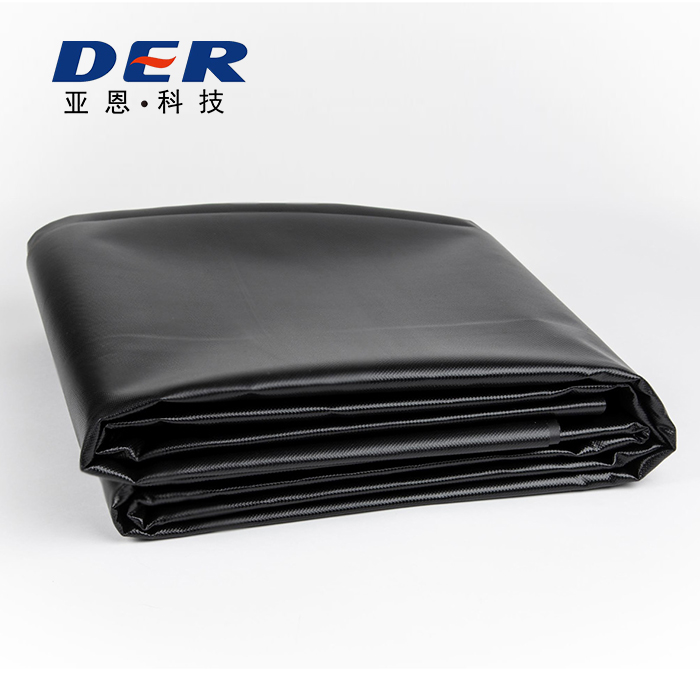
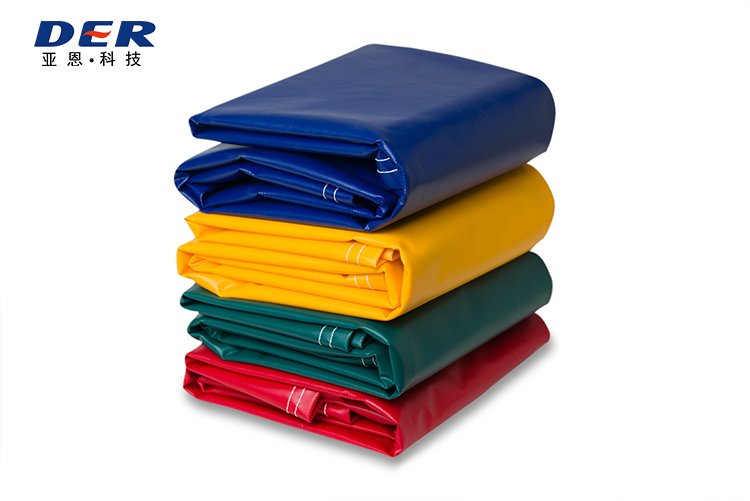
DER factory coated polyester textile showing a PVC-coated material surface used as a reinforcement reference for duct fabric selection
DER factory coated polyester fabric reference photo
Coated textile material reference. Actual DER factory coated polyester fabric image; duct-specific color and construction require sample approval.
The direct answer

What Is PVC Duct Fabric?

PVC duct fabric is a reinforced, flexible sheet material used to manufacture fabric ventilation ducts. It commonly combines woven polyester reinforcement with a polyvinyl chloride (PVC) coating on both sides. The textile carries tensile and tear loads; the coating provides an air-barrier surface, helps protect the reinforcement and allows compatible welding processes to form duct sections.

Ventilation duct fabric is bought by duct manufacturers, contractors, fan-system integrators and OEM suppliers. It is not the same product as a finished air duct: a completed duct also needs properly designed seams, suspension, connections and—where suction duty requires it—shape-retaining reinforcement.

DER factory's PVC coated fabric range provides the material background. This page focuses specifically on ventilation duct performance, converting and purchasing decisions rather than general tarp applications.

01 / Material architecture

Ventilation Duct Fabric Construction: More Than GSM

Good duct material is a balanced composite. Specifying its textile base, PVC layer and usable welded seams together is more useful than ordering by fabric weight alone.

Layer 01

Polyester reinforcement

Woven yarns, fabric count and warp/weft orientation influence dimensional stability, tensile strength and resistance to a growing tear. Ask for both directions when seams or hang points impose unequal loads. For background on reinforced textiles, see PVC coated polyester fabric.

Layer 02

PVC barrier and bond

The PVC coating reduces through-fabric air leakage and influences abrasion, folding and hot-air or HF weld response. Coating adhesion should be reviewed after forming and flexing; heavy coating without sufficient textile strength is not a substitute for reinforced construction.

Layer 03

Finish and functional grade

Surface texture, cleanability, UV exposure and cold flex requirements affect formulation. Fire-retardant and anti-static properties must be specified separately and supported by agreed reports for the exact grade—not inferred from the generic word “PVC.”

PVC coated faceWoven polyester basePVC coated reverse
Conceptual layer diagram only; coating thickness, weave and finished colors depend on the approved grade.

Coated vs laminated PVC: Both can produce workable fabric, but the fabrication process must be qualified. Compare coating-to-textile adhesion, fold behavior, surface finish and cooled seam strength; neither process is automatically superior for every duct design.

02 / Procurement specification

PVC Ventilation Duct Fabric Specifications

Use the following table to structure an RFQ. It defines the variables to confirm—not a published DER factory stock datasheet. Final technical values, tolerances and test evidence are agreed for each construction.

ParameterSelection or information to requestBuying implication
Fabric materialWoven polyester reinforcement with PVC coating, usually on both faces; alternate constructions by reviewControls reinforcement and barrier character
Yarn / weaveDenier, warp/weft density and approved base-cloth constructionGoverns directional strengths and fold handling
Mass (GSM)Target finished weight and tolerance: project dependentAffects handling, cost and shipment mass; not a strength grade alone
ThicknessTarget coating/fabric thickness, test method and toleranceInfluences welding windows, flexing and wear behavior
Usable width / roll lengthRequired usable coated width, edge margins, core size, length and allowable joinsDetermines panel yield and longitudinal seams
Tensile / tearWarp/weft target results with unit, test method and conditioningHelps assess installation loads and damage propagation
Coating adhesionTarget result and method for the chosen constructionImportant for flexing, seam preparation and repeated folding
Airtightness / leakageDefine material resistance and separate duct assembly leak testFinal leakage depends strongly on finished seams and couplings
Operating environmentMinimum folding temperature, maximum service temperature, dust, humidity, wear and UV exposureDetermines coating and finishing priorities
Flame retardancy (FR)Required exact standard, edition, grade and supporting production-grade reportSafety eligibility must match local project rules
Anti-static optionRequired surface/electrical method, acceptance limit and conditioningRequires evidence independent of FR tests
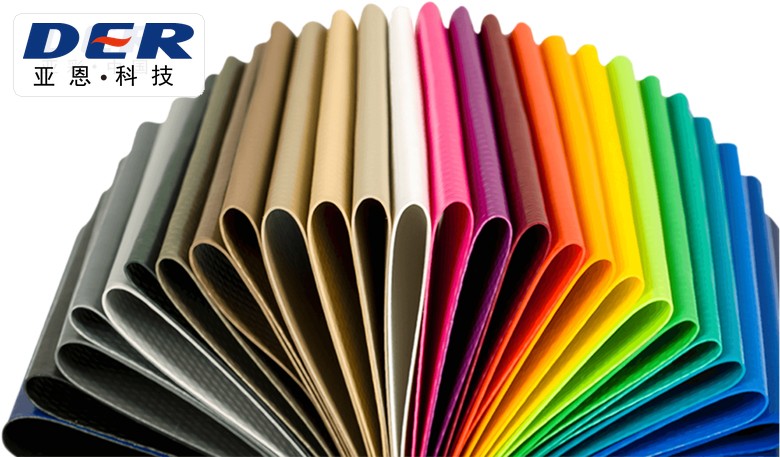
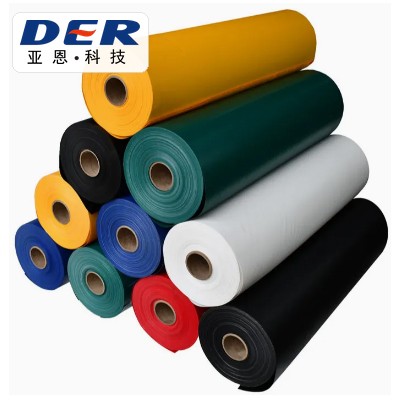
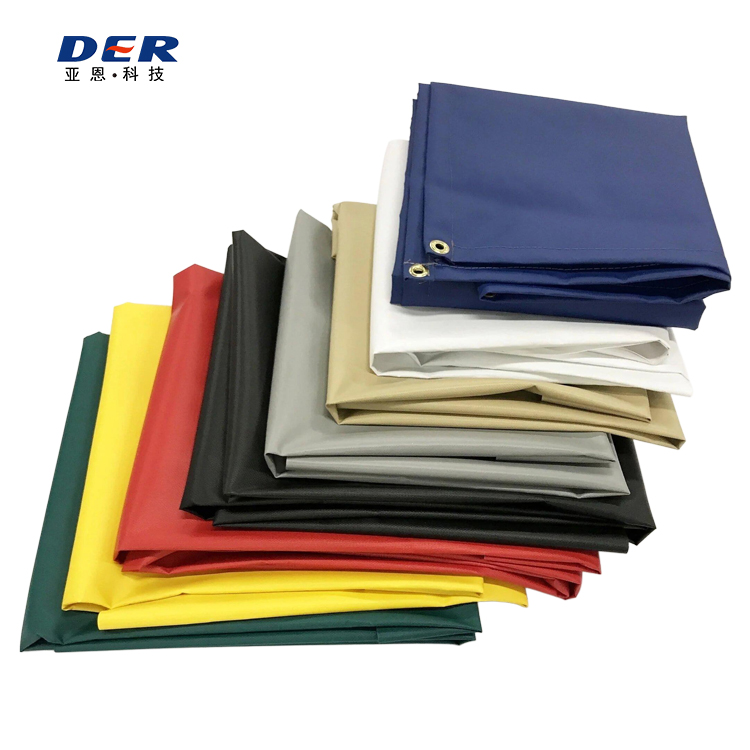
Color / surfaceYellow, black, other requested colors; matte or glossy by project reviewVisibility, appearance and cleaning requirements
Conversion / supply formRoll stock, cut panels or finished assembly subject to review; joining method and accessory drawingsAligns fabric properties with the fabrication route
Packing / acceptanceCore, wrapping, labels, inspection plan, destination and order quantitySupports repeatable deliveries and receiving checks

No numerical performance, conformity, minimum order quantity or service-life values are assumed for a grade that has not been technically approved.

How much roll material will a duct need?

For a simple circular body, the developed fabric width around the circumference is approximately π × finished duct diameter, plus longitudinal seam allowance. The final cutting plan must include shrinkage, the selected overlap, reinforcement and machine constraints.

Example: Ø 1.0 m circular duct

Unfinished circumference ≈ 3.14 m before seam allowance. If usable roll width is smaller, a multi-panel or reoriented cutting layout may be required. This is a geometry example, not a claimed factory width.

Why a bigger GSM figure is not the full answer

A heavier coating can improve some wear or barrier characteristics but also increases handling mass. A stronger reinforcing textile may produce more useful tear behavior at a similar total GSM. Compare material specification and test terms, with special attention to weld strength and coating adhesion.

Net roll mass (kg) = GSM × width (m) × length (m) ÷ 1,000

Illustration only: 650 × 2.0 × 50 ÷ 1,000 = 65 kg before core and packing.

03 / Air system engineering

How to Choose Ventilation Duct Fabric for Positive or Negative Pressure

The pressure direction changes the duct architecture. Fabric qualification and complete-system qualification must not be confused.

Forced air / positive pressure

Layflat or collapsible duct bodies

Internal pressure opens the flexible section during operation. Focus on seam integrity, air leakage, hanging loads, bends, connection loss and abrasion at contact points. If the duct will be repeatedly moved or folded, evaluate cold flex and crease resistance on actual production material.

Specify airflow, fan pressure, diameter, total run, bend count and support spacing—not only the material's GSM.

Suction / negative pressure

Shape-retaining reinforced ducts

Unsupported layflat material can collapse under suction. Negative-pressure ducts typically require a helical wire, rings or another engineered structure that holds the airway open. Reinforcement, pitch, attachment and overall pressure duty should be assessed as part of the completed assembly.

Important: A high tensile-strength fabric alone cannot substitute for collapse-resistance engineering.

Cost-of-airflow lesson: A thick fabric may survive wear but does not guarantee low operating resistance. Duct diameter, bends, internal surface, couplings and real assembled leakage all influence required fan duty. Ask for assembly-level validation when the ventilation design is critical.

Safety standards first

For mining and underground projects, obtain the site-specific approval and required test methods before choosing the grade. Review flame-retardant fabric requirements; passing a textile flame test is not proof of all mining-system approvals.

Welding route

Hot-air, high-frequency or another compatible joining process should be trialed with actual material. Check overlap geometry, controlled process settings and finished seam strength after cooling and flexing.

Alternative polymers

For unusual chemical exposure or flex-abrasion conditions, include TPU coated fabric in material screening. Verify compatibility and performance in the target system; the PVC/TPU label does not decide suitability by itself.

04 / Application mapping

Where Is PVC Coated Air Duct Fabric Used?

The same broad material family supports several ventilation applications, but material grade and completed duct design change with the installation environment.

ApplicationMaterial selection prioritiesSystem and acceptance checks
Mine ventilationSpecified FR / anti-static performance, tear resistance, foldability, repairabilityMine jurisdiction, site approval, finished-seam leakage, suspension and fan duty
Road, rail and metro tunnelingAirtight barrier, handling mass, abrasion, wet/dusty conditionsPressure, full route length, bend geometry, hanging, replacement sections
Industrial temporary air supplyFlexible coated textile, seam consistency, washable finishConnection to fan, pressure duty, temperature and maintenance procedures
Dust / fume extractionAppropriate abrasion and chemical screening; static requirements where relevantNegative-pressure collapse resistance, media compatibility and appropriate filtration
Building or event air distributionAppearance, cleanability, operating temperature, applicable building fire requirementsLocal mechanical/building code and hygiene criteria; approved complete system

Selection boundary: Standard PVC duct fabric is not automatically suitable for food contact, cleanrooms, explosive atmospheres, high-temperature exhaust or corrosive vapors. Such uses need specialist review and compliance evidence.

06 / Conversion and OEM supply

From PVC Fabric Roll to Finished Flexible Ventilation Duct

Material selection is only half the engineering decision. Duct makers also need conversion compatibility, dimensional planning and repeatable assembly details.

Set design duty

Confirm positive or negative pressure, fan connections, diameter, bends and site conditions before requesting a fabric grade.

Agree roll construction

Specify reinforcing yarn, both coated faces, width, GSM, surface finish, optional special formulation and delivery format.

Trial fabric welding

Convert representative material with the actual welding equipment, planned overlap and finished seam geometry.

Design attachment zones

Reinforce hanging fins and specify rings, cuffs, zippers, webbing or hook-and-loop where appropriate; verify local loads.

Evaluate the assembly

Inspect seams, dimensions and functional leak or pressure behavior according to agreed project test criteria.

Control repeat orders

Keep an approved sample, controlled drawing, test requirements and packaging/label instructions for each production lot.

Need both material and fabrication support? Share a duct drawing and desired delivery form. For related cut-panel and cover fabrication formats, review custom coated-fabric fabrication.

Discuss Your Duct Project
07 / Qualification

Quality Control & Test Evidence for Ventilation Fabrics

Before bulk approval, agree what is tested, how it is reported and whether a result refers to the flat fabric, a welded sample or the finished duct. These are different evidence levels.

Material and sample checks

  • Roll identification, visible coating condition, usable width, GSM and thickness
  • Warp and weft tensile strength and elongation; possible method: ISO 1421
  • Directional tear resistance; possible method: ISO 4674-1
  • Coating adhesion; possible method: ISO 2411
  • Flexibility after relevant cold-handling or fatigue exposure, with test conditions agreed

Functional and conversion checks

  • Trial welding and cooled seam evaluation with the buyer's process
  • Suspension and attachment detail inspection on a representative converted sample
  • Finished assembly leakage/pressure test with agreed fan or laboratory method
  • Fire and surface-electric test to the precise application standard, where required
  • Traceability to approved reference material and agreed inspection records

Evidence standard: ISO 1421, ISO 4674-1, ISO 2411 and NFPA 701 are examples of relevant test methods, not statements that a specific DER factory product holds certifications. Specify the required edition, conditioning, limit and report during quotation. The factory and inspection overview provides broader manufacturing context.

08 / Buyer preparation

What to Send for an Accurate PVC Duct Fabric Quote

A short but complete RFQ prevents suppliers from pricing different fabric grades or mixing finished-duct and raw-fabric specifications.

Application and engineering data

  • Mine / tunnel / industrial / HVAC application and destination country
  • Raw rolls, cut panels or finished duct supply request
  • Positive or negative pressure; fan model and pressure duty if known
  • Finished duct diameter, duct run, bend count and planned fittings
  • Service temperature, abrasion, moisture, dust, chemicals and UV exposure
  • Fire/anti-static standard, target values and test documentation needed

Material and commercial data

  • Fabric construction or reference sample; target weight and thickness
  • Roll usable width, roll length, quantity and permitted joins
  • Colors / surfaces and desired welding or sewing process
  • Reinforcement, hanging points, closure and coupling information if converting
  • Packaging, shipment destination, delivery schedule and sample needs
  • Inspection criteria and whether production samples need approval

Procurement note: MOQ, cost and lead time depend on grade, colors, coating route, tests, conversion and order volume. Request a written offer rather than assuming that one roll-stock price applies to all fabric options.

09 / Common buyer questions

PVC Duct Fabric: Frequently Asked Questions

Quick answers to specification, safety, fabrication and wholesale purchasing questions.

What is PVC duct fabric?

PVC duct fabric is a reinforced flexible textile, typically woven polyester coated on both sides with polyvinyl chloride, that is converted into flexible ventilation ducting. Buyers specify fabric construction, airtightness, mechanical strength, welding behavior and any required fire or static performance.

What is the difference between PVC duct fabric and a finished ventilation duct?

PVC duct fabric is roll material or cut sheet stock. A finished duct includes formed and joined panels plus any suspension fins, rings, couplings, cuffs, reinforcement and installation details. A fabric test does not replace finished-duct testing.

Is PVC ventilation duct fabric suitable for negative pressure?

The PVC textile can be part of a suction duct, but unsupported layflat fabric may collapse under negative pressure. Duct design usually needs appropriate helical wire, rings or another shape-retaining structure, verified for the operating pressure.

Is PVC duct fabric flame retardant and anti-static?

These properties are formulation- and grade-specific, not automatic. State the destination jurisdiction, fire test method and anti-static acceptance criteria, and request evidence for the actual production grade. A flame test result alone does not prove anti-static performance.

What GSM should I select for ventilation duct fabric?

Select GSM together with polyester yarn construction, tear and tensile strength, coating adhesion, seam strength, flexibility and handling requirements. A heavier fabric is not automatically the correct choice; request a sample and a grade-specific datasheet.

Can PVC coated air duct fabric be heat welded?

Many PVC-coated polyester grades are suitable for hot-air or high-frequency welding, but exact compatibility depends on coating, finish, machine and seam design. Test production-material coupons and a representative duct joint before approval.

Can DER factory customize width, color and rolls?

DER factory can review custom roll widths, lengths, colors, coating constructions and fabrication requirements. Feasibility, tolerances, sampling, MOQ and delivery dates are confirmed for each project rather than assumed.

What information is needed for a ventilation duct fabric quote?

Provide application, positive or negative pressure, target diameter, fan or system duty, duct run length, roll width and quantity, preferred joining method, environment, required fire and electrical tests, color, packaging and destination.

Built around your finished duct requirement

Specify Your PVC Ventilation Duct Fabric with DER factory

Send an existing material sample, technical drawing or duty summary. We can discuss fabric construction, the intended joining method, special test requirements and OEM supply format before a quotation is confirmed.

Request A Quote

Please include application, fabric format, quantity, destination and special performance requirements.

DER factory · Industrial coated textile sourcing · Technical data and custom options are subject to specification review, sample approval and written quotation.

Contact Us (You are welcome to consult at any time!)

Zhangbaling Plastic Polymer Industrial Park, Zhangbaling Town, Mingguang City, Chuzhou, Anhui Provin

info@der-factory.com

+86 15601786499 (steven)

Product recommendation

#
truck tarps
  • 2026-10-26
#
#
#
vinyl tarps
  • 2026-09-13
#
Waterproof Tarps
  • 2026-08-27
#
#
#
#
Vinyl Coated Tarps
  • 2026-05-24
#

Application Fields Of Our Products

Our products are widely used in our residential and industrial area, which can be used for producing tents, outdoor covering, flexible ventilation tube, water bladders, inflatable castles, architecture membrane structures, etc. Our main products: PVC coated fabrics, PU/TPU coated fabrics, Oxford fabric, PVC ceiling film, flexible banner material. Welcome to our site and order online.