
truck tarps
- 2026-10-26


Approve the material. Verify the construction. Turn a tarp sample into a clear reference for your bulk order.
For importers, fabricators and industrial buyers evaluating PVC coated fabric and custom finished tarps. Send DER factory your material, color, size and fabrication requirements for a project-specific sample review.

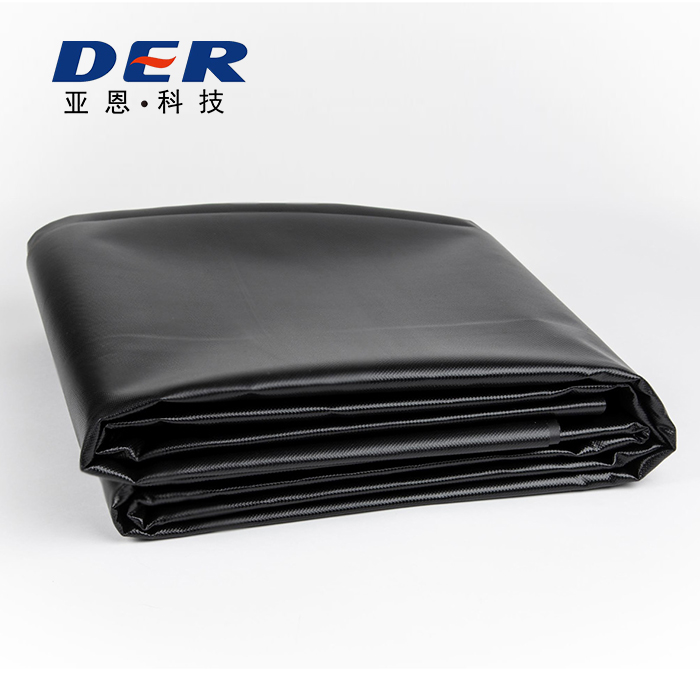
A tarpaulin sample is a physical reference used to evaluate a proposed material or finished tarp before a bulk purchase. It may be a small swatch, a larger test panel, a seam-and-hardware detail or a finished prototype. For polyvinyl chloride (PVC) coated polyester fabric, evaluate the coating, base textile, mass, thickness and handling as well as the intended construction. Match the sample to the decision: color approval needs a physical reference; performance approval needs test evidence; a fabricated cover needs representative seams and fasteners. Record the grade, revision and agreed limits so that “sample approved” has a precise meaning.
Sample selection supports procurement. An approved hand sample alone does not establish production-lot conformity or prove suitability for every application.
Request the smallest format that can answer your question, then move to larger material or a prototype when testing or fit assessment requires it.
| Sample format | Best decision | What to include | What it cannot establish alone |
|---|---|---|---|
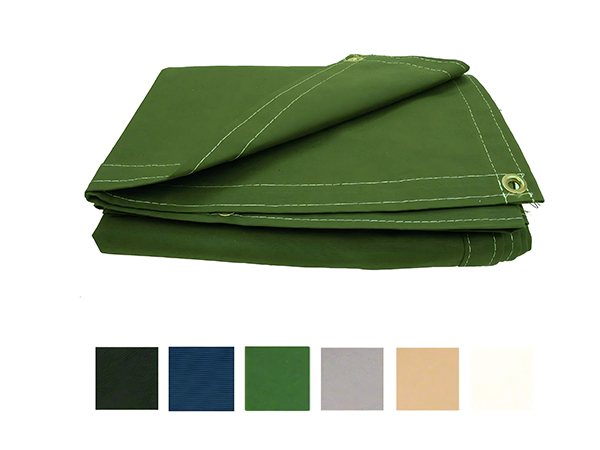
| Swatch / color reference | Compare surface finish, opacity, feel and physical color. | Grade code, proposed GSM, finish, face/back identification and color reference. | Full-cover fit, whole-roll consistency or long-term outdoor performance. |
| Laboratory test panel | Measure material properties using an agreed method. | Enough area for the laboratory cutting plan, repeated specimens and warp/weft directions. | The performance of a different coating, construction, lot or finished assembly. |
| Fabrication detail | Evaluate welds, hems, webbing, grommets or D-rings. | The proposed material, seam geometry and a representative reinforced attachment zone. | Full-scale fit or every load path in a complete tarp. |
| Finished prototype / trial cut | Check fit, panel layout, handling, folding and installation. | Approved drawing revision, dimensions, accessories, packaging and inspection points. | Automatic acceptance of the whole production batch. |
Begin with the intended PVC coated polyester fabric construction. Two materials with similar weight can use different base textiles, coating systems or finishes and behave differently during fabrication.
Every sample should connect to a material code and a written specification. “Blue, heavy duty, waterproof” leaves too many purchasing decisions undefined.
Use the tarpaulin specification guide to align units and acceptance requirements before comparing offers.
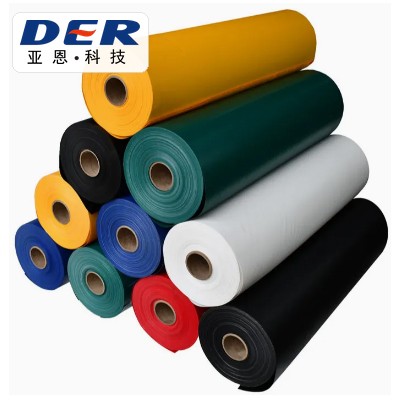
A stock swatch can help shortlist a material. If the bulk order changes the color, formulation, coating, finish or fabrication, request a sample representing those changes and document any remaining differences before approval.
Start with identification and simple incoming checks, then use method-specific laboratory testing for the properties that determine service performance. Set acceptance limits before testing.
| Evaluation | Useful first check | Evidence for approval |
|---|---|---|
| Appearance & color | Compare the face and reverse under agreed lighting; inspect obvious streaks, defects and finish differences. | Physical reference, viewing conditions and agreed visual or instrument-based limits. |
| GSM & thickness | Measure a clean flat panel; exclude hems, hardware and packaging from a mass check. | Defined sampling, conditioning, instrument procedure and separate tolerances. |
| Strength & tearing | Use hand feel only to screen obvious differences. | Named tensile and tear procedures, specimen direction, units and results. Compare equivalent methods. |
| Coating bond | Inspect cuts and folds for obvious separation. | An agreed coating-to-textile bond test and acceptance criterion. |
| Water resistance | Inspect pinholes and representative seams. | Hydrostatic evaluation of the material and a separate suitable check of the fabricated assembly. |
| Seam performance | Make a trial using the intended welding equipment and actual material faces. | Documented seam settings, geometry, conditioning, loading and failure location. |
| Cold flexibility / blocking | Note handling and surface sticking at the observed temperature. | Agreed low-temperature or elevated-temperature conditioning and test procedure. |
| UV / flame requirements | Check the requested grade and supporting report identity. | Applicable exposure or flame test, result and traceable material description; appearance is insufficient. |
ASTM D751: test methods for coated fabrics is one reference framework for selected material and seam evaluations. Specify the applicable edition and procedure with the laboratory; citing a standard does not mean every test has been performed or passed.
GSM = sample mass (g) ÷ sample area (m²). In an illustrative calculation, a 200 × 200 mm piece has an area of 0.04 m². If its mass is 26 g, the indicative result is 650 g/m². This example is a calculation, not a DER factory grade or test result.
Do not estimate thickness from GSM alone. Base fabric, coating distribution and construction affect the relationship. A single small cutting also cannot describe variation across a production roll.
Ask the laboratory how much material it needs before dispatch. Allow for repeats, both fabric directions and untouched retained references. Follow controlled laboratory procedures for any flame testing.
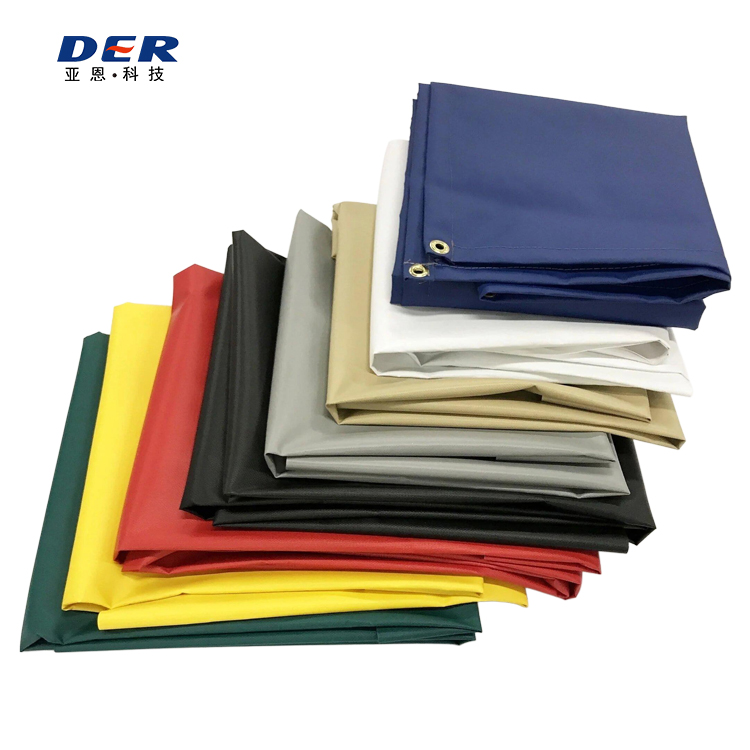
A material test does not assess the seam, hem, fastening system or fit of a finished cover. Include the construction details that will carry load or keep water out.
For custom tarps made to your drawing, ask DER factory which details can be represented in a small sample and which require a full prototype or trial installation.
Request A Quote ↗Prioritize the failure modes of the intended use. A truck tarp, tent panel and branded cover do not need the same sample package.
| Application | Sample priority |
|---|---|
| Truck / transport | Representative seam and fastening details, tear performance, handling and contact-wear zones. |
| Outdoor equipment / storage | Fit, drainage-related seam layout, water resistance and outdoor exposure requirements. |
| Tent / industrial enclosure | Fabric, seams, reinforcement and any project-specific flame performance requirement. |
| Private label / OEM covers | Physical color, print, finished dimensions, accessories, labels and packaging approval. |
For PVC truck tarpaulin projects, assess attachment and repeated handling alongside the fabric. For a flame-retardant fabric option, confirm the required test and report coverage before approving the proposed material.

Approve a defined specification and reference together. Write down what passed, what remains open and which changes require another review.
Record the sample ID, grade, source and drawing revision. State whether it is a color reference, test panel, fabricated detail or production-intent prototype. Mark the fabric face and directions before cutting.
Use the same test methods, conditioning and units when comparing candidates. Record results against pre-agreed limits. Preserve enough untouched material for reference and potential investigation.
Use clear statuses: approved, approved with listed conditions, or revise and resubmit. A color approval should not silently become approval of strength, weldability or a different material formulation.
Label and date the buyer and supplier references. Store them clean, dry and protected from heat and light. Attach the specification, drawings, photographs and agreed test evidence to the approval record.
Specify tolerances, production sampling, inspection responsibilities and escalation for deviations. Changes to the material, color, finish, seam or accessories should trigger the agreed reapproval process. A retained sample is a reference; production inspection verifies the order.
If an early swatch comes from stock but production uses a revised coating or custom color, obtain a representative replacement and confirm the changed properties. Keep the old and new revisions distinguishable.
The approval record is especially valuable for OEM tarpaulin and private label production, where product drawings, branding and packaging must stay aligned through repeat orders.
The main variables are whether material is available, whether fabrication or a custom color is needed, and whether testing is included. Confirm preparation and delivery separately.
A sample request does not set the bulk price or minimum order quantity. Confirm those terms against the final material, fabrication and order quantity.
Describe the application and the decision the sample must support. Generate a brief, copy it and send it to DER factory with your drawing or current specification.
A useful sample package includes an identified material swatch, a matching specification sheet and enough material for the agreed evaluation. For finished tarps, add representative seams, hems, reinforcement and fasteners. Ask whether the sample is a stock reference or made to the proposed production specification.
There is no universal sample size. A small swatch is useful for color and surface comparison, while laboratory testing needs sufficient material for the method-specific specimen dimensions, repetitions and both fabric directions. Ask the laboratory for its cutting plan before requesting the sample.
Confirm sample charges and courier costs with DER factory before dispatch. Stock swatches, custom colors, fabricated prototypes and independent testing can have different costs. Any refund or credit against a bulk order must be agreed in writing; it should not be assumed.
Weigh a flat, accurately measured piece without hems, hardware or packaging, then divide its mass in grams by its area in square meters. The result is an indicative GSM check. Formal acceptance should use the agreed test method, conditioning, sampling plan and tolerance.
A small sample can help compare appearance and handling, but those performance claims require appropriate tests and matching evidence. A water-beading demonstration does not establish hydrostatic resistance or seam watertightness. Specify the required UV exposure protocol or flame test and verify that the report covers the proposed material.
Send DER factory a drawing, finished dimensions, material requirements and the proposed seam, hem, reinforcement and fastening details. Ask for a representative prototype or detail sample after technical review. Sample feasibility, charges and preparation time need confirmation before production.
Sample preparation, courier transit and customs clearance are separate stages. Timing depends on stock availability, custom color or fabrication and the testing plan. Sample quantity does not establish the minimum order quantity for bulk production; request separate confirmation of MOQ and production lead time.
Retain identified reference samples with both parties and attach the signed specification, drawing revision, test methods and tolerances to the purchase order. Record what was approved, what remains open and when reapproval is needed. Use an agreed production inspection plan, because a reference sample alone does not verify every roll or finished tarp.
Send the application, material requirements, dimensions, expected quantity and tests you need. DER factory can review the sample scope and proposed fabrication before quotation.
Technical reference: ASTM D751 coated-fabric test methods. Confirm the applicable method, edition and laboratory requirements for each project.
DER factory · Sample evaluation & procurement
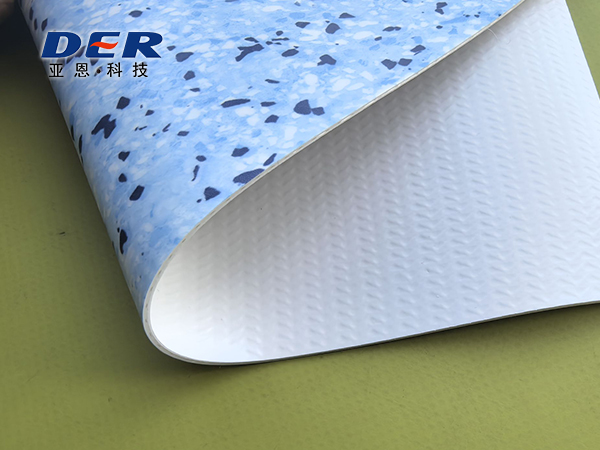

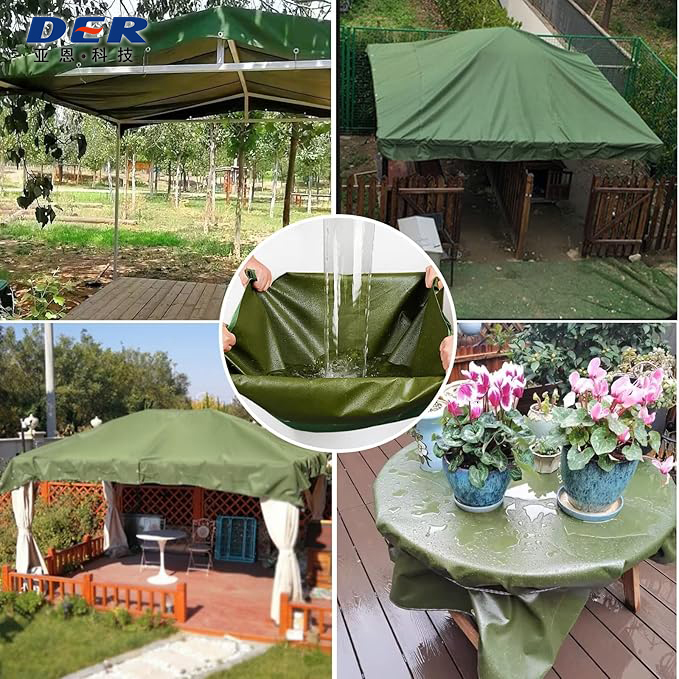
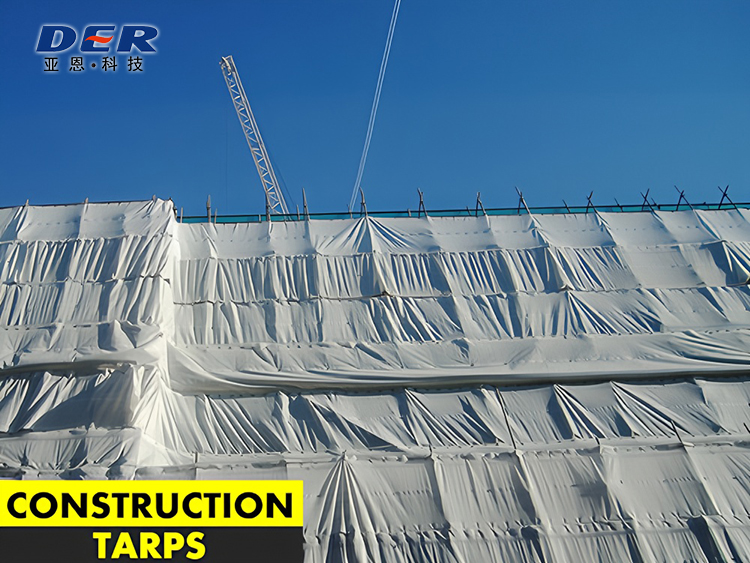
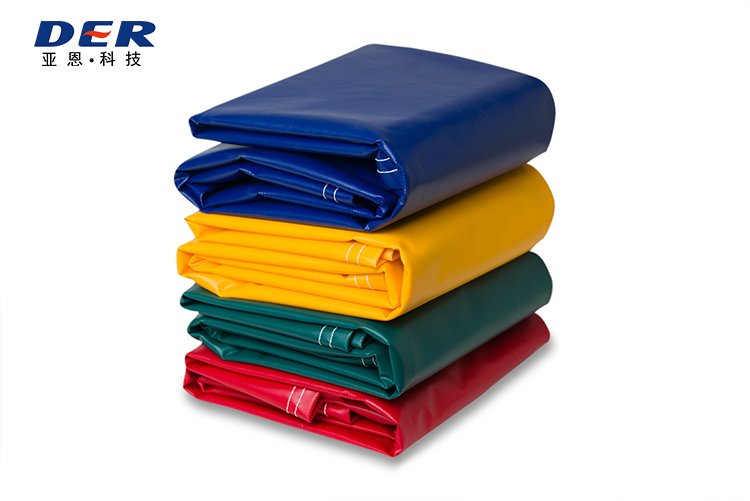
Our products are widely used in our residential and industrial area, which can be used for producing tents, outdoor covering, flexible ventilation tube, water bladders, inflatable castles, architecture membrane structures, etc. Our main products: PVC coated fabrics, PU/TPU coated fabrics, Oxford fabric, PVC ceiling film, flexible banner material. Welcome to our site and order online.